



RazorMP
Field-Tested Reviews. Pro-2A Perspective.
Straightforward coverage of firearms, optics, and tactical gear built on real range time. You get practical takeaways, clear disclosures, and no paid opinions presented as facts.
SHOT Show 2026 in Las Vegas (Jan 20–23 at the Venetian Expo + Caesars Forum) was packed with the usual chaos: bright lights, packed aisles, and more “best-in-class” claims than anyone should be legally allowed to make without a stopwatch and a shot timer. So I did what I always do — I walked the floor looking for the stuff that still makes sense after the booth lighting stops flattering everything.
Phoenix Trinity was one of those stops.
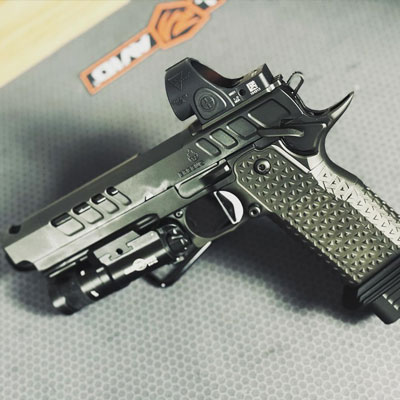
If you’re not familiar with PT, they live in that premium 2011 lane where the expectations are higher for a reason. When you’re in this category, you don’t get to win people over with marketing. You win with execution: fit, consistency, and how well the gun is thought out for how people actually shoot.
I’m not here to read a catalog out loud. On the show floor I’m looking at:
Fit and finish: slide-to-frame feel, consistency in machining, and whether everything looks deliberate or “good enough.”
Controls and ergonomics: how the grip geometry feels, how the gun indexes, and whether the controls land where they should without you having to fight it.
Trigger feel: not a pull-weight contest, but clean take-up, a real wall, a crisp break, and a reset that doesn’t feel like it needs a permission slip.
Practical setup choices: optics-ready execution, sighting solutions, and whether the configuration makes sense for the role it’s being pitched for.
What PT tends to do well is build guns that don’t feel like a collection of “cool parts.” They feel like a system. You pick it up and it immediately gives off the impression that it was designed to be shot hard, shot fast, and shot consistently — not babied for photos.
That matters, because premium guns that only look premium are a dime a dozen. The ones that feel right in the hand and look like they’ll stay right after real round counts? Those are the ones that earn the price tag.
From a SHOT-floor perspective, the main takeaway was refinement — not gimmicks.
Phoenix Trinity’s presentation looked like the company knows exactly who their customer is: shooters who care about repeatable performance, clean assembly, and details that translate to control. The kind of buyer who notices little things like how clean the machining is, how consistent the edges are, and whether the gun feels like it was built by people who actually shoot.
And if you’ve followed my content, you already know where my head goes next: a show-floor impression is cool, but the only thing I trust is what holds up under actual use.
Quick housekeeping: this was a show-floor overview. Everything I’m sharing is observational and educational. I’m not providing instructions on building, modifying, or manufacturing anything. If you handle firearms, follow all safety rules and manufacturer guidance — always.
SHOT Show is step one. The real story is always range time: reliability, recoil behavior, accuracy consistency, and how the gun performs when you’re not carefully posing it for a camera.
So here’s what I’m doing next:
Keeping an eye on Phoenix Trinity’s 2026 releases and what actually hits steady availability after SHOT week.
If I get hands-on range time with any of the standout PT models, I’ll break it down the way I always do — what works, what doesn’t, and what matters after the honeymoon phase.
If you want me to prioritize a specific Phoenix Trinity model for a deeper dive, tell me which one. “Because it looks cool” is still a valid answer. We’re allowed to enjoy things.
YouTube: @RazorMP_Official
X: @RazorMP_actual
Instagram: @razor.mp
Hashtags: #SHOTShow2026, #SHOTShow, #PhoenixTrinity, #PT, #2011, #1911DS, #DoubleStack1911, #Handgun, #Pistol, #GunReview, #Firearms, #2A, #SecondAmendment, #CompetitionShooting, #RangeDay, #TacticalGear, #GearReview, #RazorMP, #RazorMP_Official
